
Shaping the future of Trengo’s inbox
Context
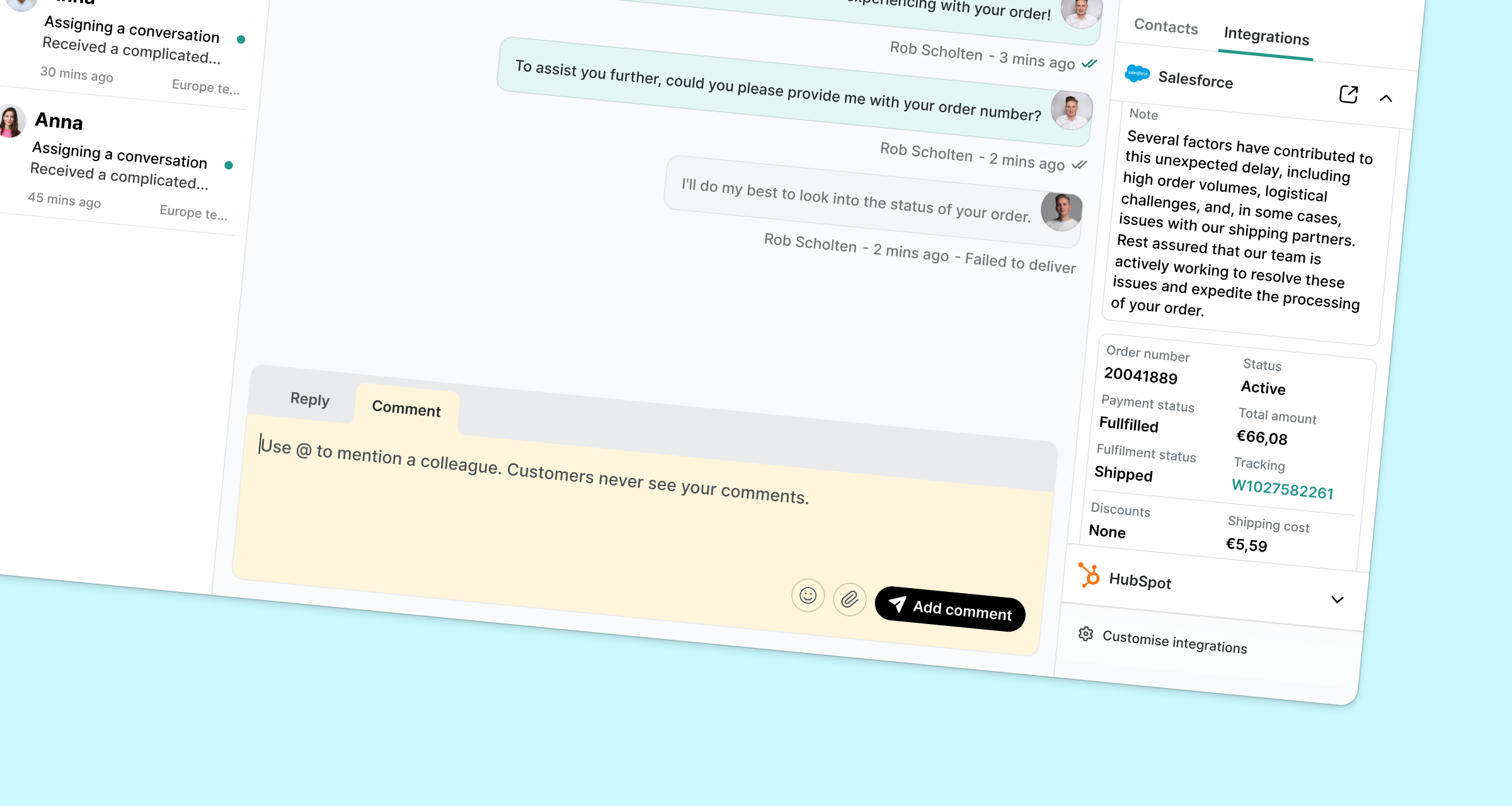
Trengo brings WhatsApp, email, social media and other customer channels together in one shared inbox. WhatsApp was already central to the product, but Trengo still relied on external providers to connect customers to the WhatsApp Business API.
The company's overarching goal was to become a WhatsApp Business Select Partner. Achieving this status would give Trengo more control over a strategically important channel, reduce its dependency on third parties and open up new opportunities for growth. My work focused on two connected parts of that ambition: creating a native WhatsApp template experience and improving the mobile inbox used by support teams on the go.
Requirements
Within the first three months, Trengo needed to onboard at least 30 active businesses under its BSP, reach 100K initiated WhatsApp conversations, maintain a template approval rate above 90%, and process more than $150K in WhatsApp charges.
Challenge
Becoming a WhatsApp Business Select Partner meant meeting strict requirements around active businesses, conversation volume, template quality and commercial performance. Trengo needed to migrate customers from external providers while making it easier for them to create templates that complied with Meta's approval requirements.
The existing template experience was complex and offered users limited guidance. Variables, media, validation rules and approval requirements all had to be configured correctly, creating friction and increasing the risk of rejected templates.
At the same time, Trengo's mobile app had become slow, difficult to maintain and disconnected from how agents actually worked. Many features had been designed for desktop first and transferred to mobile without accounting for smaller screens, urgent conversations or the limited window in which businesses can respond to WhatsApp messages.
Approach
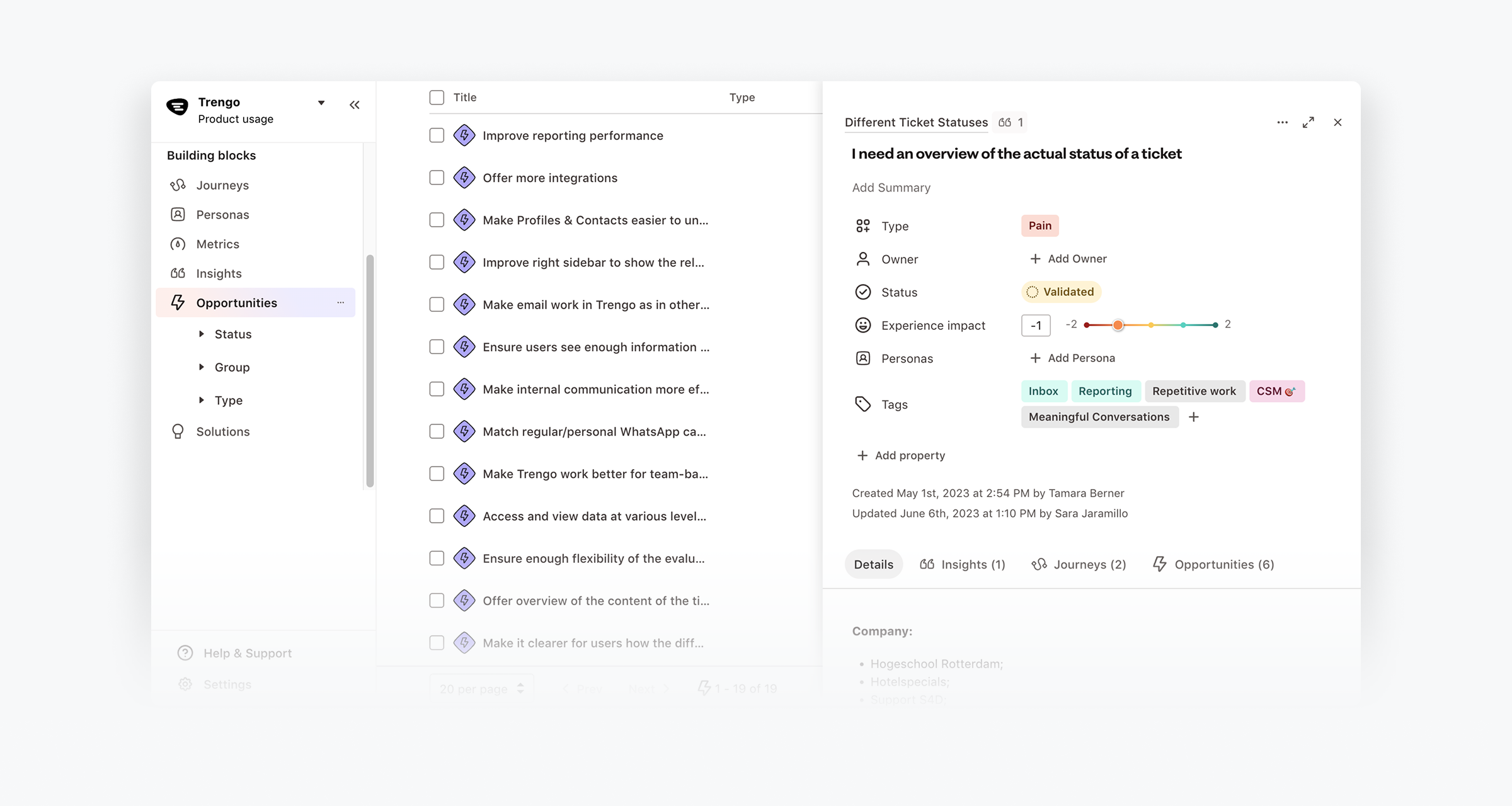
I started by investigating both the business requirements and the needs of the people using these experiences. I combined product data, App Store reviews, customer-feedback insights and interviews with managed users to identify recurring problems and understand how the inbox fitted into their daily work.
For the WhatsApp template experience, I mapped the wider ecosystem of customers, Trengo, external providers and Meta. This helped expose dependencies, risks and opportunities beyond the interface itself. I grouped customer needs around three priorities: migrating active businesses, maintaining template quality and generating sufficient conversation volume.
For mobile, the research showed that agents primarily used the app to respond to time-sensitive WhatsApp conversations while travelling, commuting or working away from a laptop. Together with product and engineering, I prioritised opportunities based on frequency, user pain and business value. We translated the most important challenges into focused “How might we” questions and divided the work into smaller releases that could be validated throughout development.
Solution
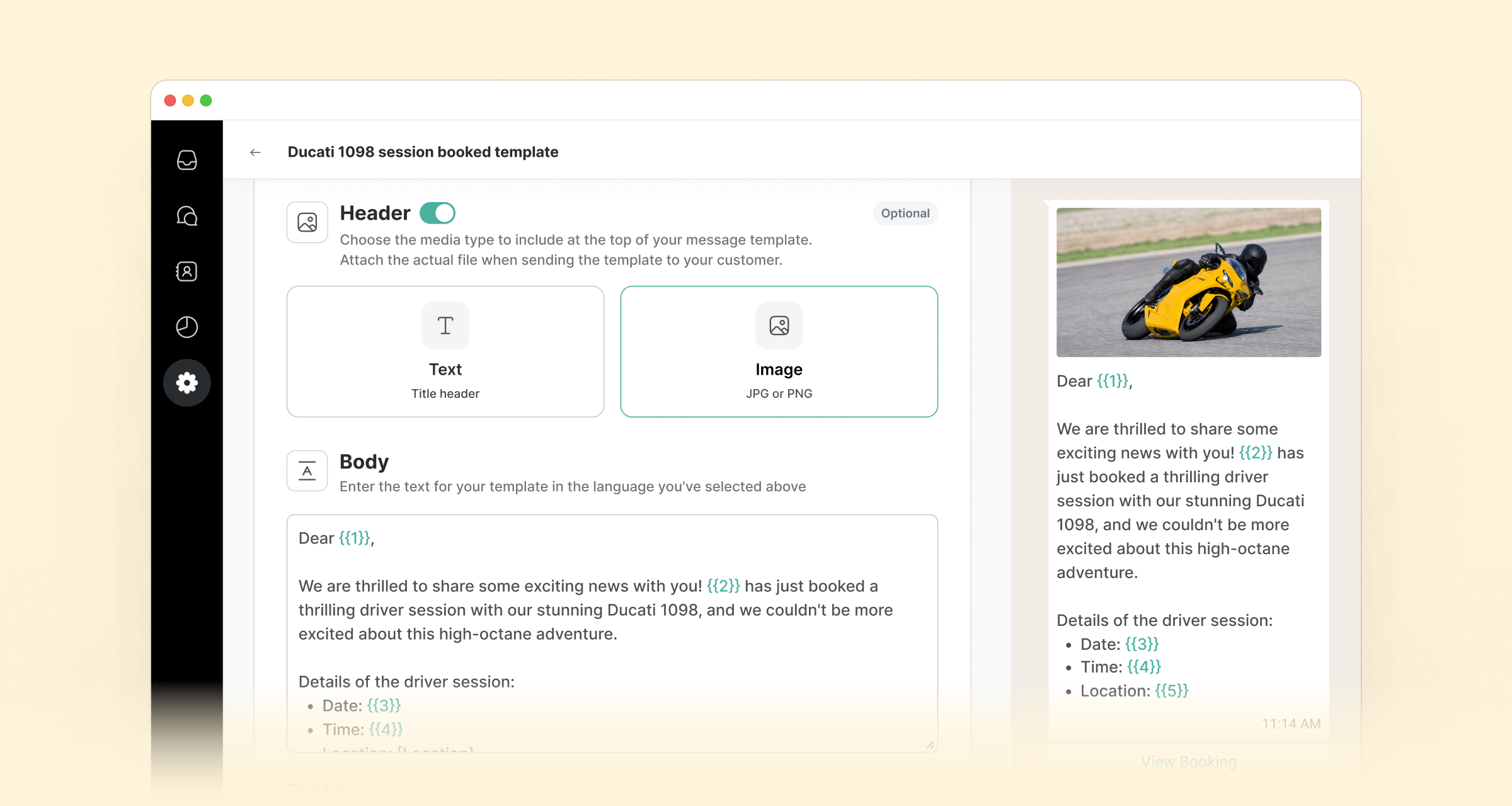
I redesigned the complete WhatsApp template journey—from creation and approval to management and use inside a conversation. The new experience introduced a clearer structure, contextual guidance, inline validation and a live preview. Users could add variables and media with greater confidence while better understanding Meta's requirements before submitting a template.
To deliver value incrementally, the work was divided into milestones. We started with the essential template structure before expanding the composer with richer media, variables and supporting guidance. This allowed us to learn from customer feedback while keeping progress aligned with the partnership requirements.
For mobile, I refocused the inbox on the tasks agents relied on most: finding conversations, responding quickly, assigning ownership and marking messages as urgent. Time-sensitive WhatsApp conversations became easier to recognise, while simplified navigation and clearer actions made the inbox more useful for fast, focused customer support on the go.
Impact
The work helped Trengo meet the requirements to become a WhatsApp Business Select Partner. Bringing the template experience in-house gave the company greater control over its WhatsApp offering, reduced its reliance on external providers and strengthened an important area of the business. Customers gained a clearer way to create compliant templates and initiate conversations at scale, while the redesigned mobile direction made it easier for agents to manage urgent customer interactions away from their desks.